

Do You Actually Need More Content, or Just More Clarity?
When an organization feels unseen, unheard, or misunderstood, the reflex is almost always the same:
“We need more content.”
More posts.
More videos.
More emails.
Maybe a podcast.
It feels productive. It feels faithful. It feels like momentum.
But historically, more output has never been the same thing as more impact.
When an organization feels unseen, unheard, or misunderstood, the reflex is almost always the same:
“We need more content.”
More posts.
More videos.
More emails.
Maybe a podcast.
It feels productive. It feels faithful. It feels like momentum.
But historically, more output has never been the same thing as more impact.
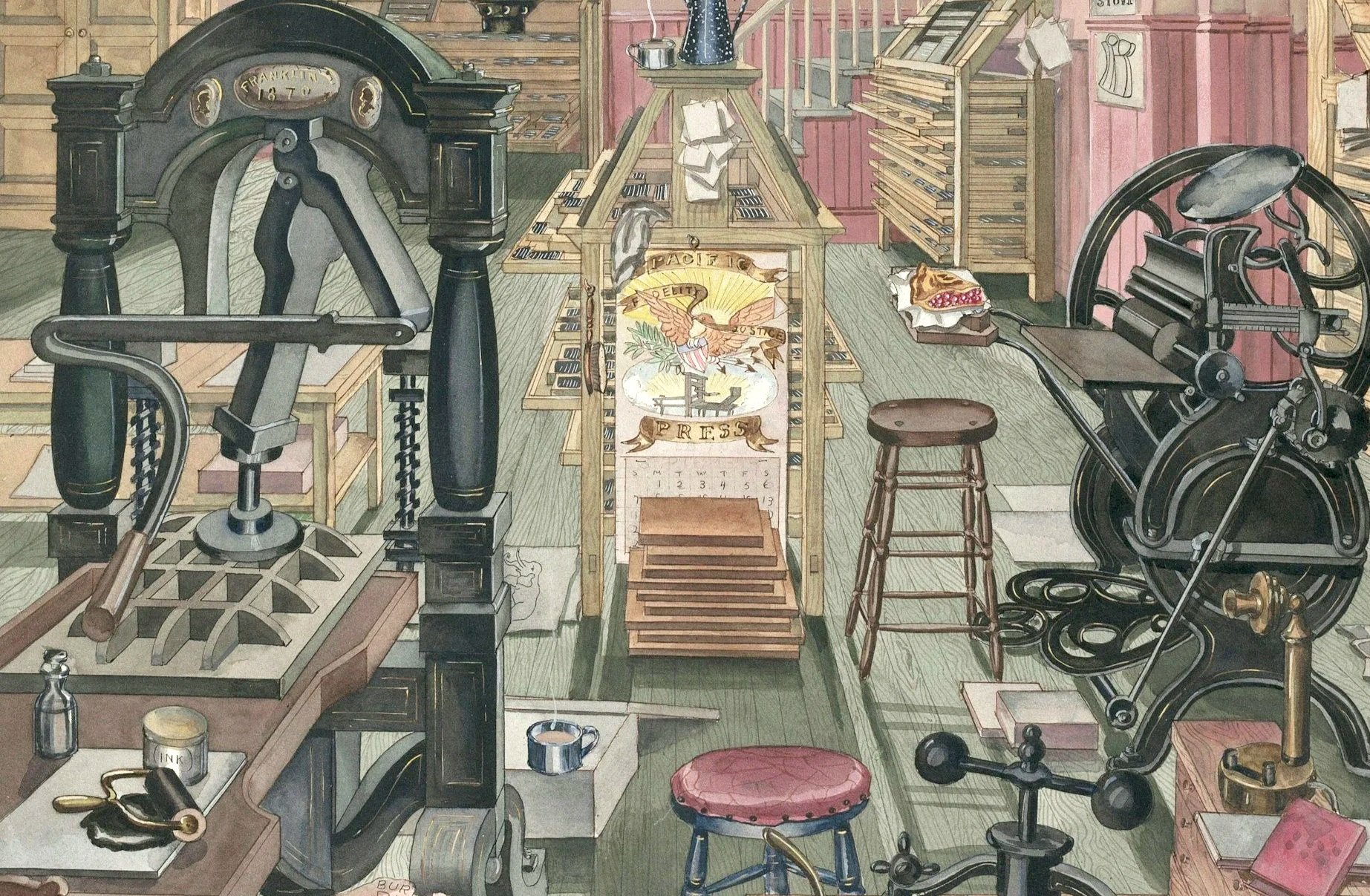
A Lesson from History: Printing Didn’t Fix Confusion
Make it stand out
Whatever it is, the way you tell your story online can make all the difference.
When the printing press was invented in the 15th century, it didn’t immediately create clarity. It created volume.
Pamphlets, tracts, manifestos, sermons, arguments, all multiplied overnight. Information exploded faster than understanding. In many ways, it intensified confusion before it ever produced reform.
The Reformation didn’t happen because there was suddenly more writing.
It happened because there was clearer conviction behind the writing.
The tool wasn’t the turning point.
Clarity was.
The same is true now.
The Question Leaders Are Actually Asking
When someone types into Google or asks an AI tool:
Why isn’t our nonprofit content working?
How do we communicate our mission better?
Do we need a new website or a podcast?
They are not really asking about platforms.
They are asking:
“Do people understand who we are, what we do, and why it matters?”
Until that question is answered, more content doesn’t help.
It just broadcasts the confusion more efficiently.
Even Jesus Didn’t Say Everything at Once
One of the more overlooked details in the Gospels is how often Jesus withheld clarity until the right moment.
He spoke in parables, not because He enjoyed being vague, but because clarity without readiness doesn’t land.
“Whoever has ears to hear, let them hear.”
That wasn’t a comment about volume.
It was a comment about alignment.
Jesus didn’t repeat the same message louder. He waited until people were ready to receive it.
There’s wisdom there for organizations today.
Content Without Clarity Is Just Noise

Here’s the uncomfortable truth most agencies won’t say:
You can have excellent design, strong audio, beautiful video, and thoughtful writing, and still fail, if the message underneath is unclear.
It shows up as:
Websites that look good but don’t lead anywhere
Podcasts that launch with excitement and quietly fade
Annual reports that are impressive but unread
Social media that feels busy and strangely hollow
This isn’t a talent problem.
It’s a clarity problem.
Clarity Is a Leadership Issue, Not a Creative One
In Scripture, moments of real movement almost always begin with clarity.
Moses didn’t lead Israel because he had the best communication tools.
He led because he was clear about who sent him and why he was going.
Nehemiah didn’t rebuild the wall because he had more labour.
He rebuilt it because the people understood the purpose and took ownership of it.
Clarity:
Simplifies decisions
Aligns teams
Reduces burnout
Gives creativity something solid to stand on
Without it, content becomes an attempt to explain yourself over and over again.
The Trap: Activity Disguised as Faithfulness
In churches and nonprofits, this gets complicated by good intentions.
There’s pressure to:
Stay visible
Steward donor support
Prove impact
Keep up with the pace of the world
So we compensate with activity.
More tools.
More platforms.
More output.
But Scripture never equates faithfulness with constant production.
Often, faithfulness looks like restraint.
Clarity usually costs us something.
Most often, it costs us busyness.
Five Questions Worth Asking Before Creating Anything New
Before launching a new website, podcast, campaign, or redesign, pause and ask:
1. What problem are we actually trying to solve?
Not “we need better marketing,” but:
Confusion?
Trust?
Engagement?
Internal misalignment?
Different problems require different solutions.
2. Who is this really for?
Jesus spoke differently to crowds, disciples, and opponents.
If everyone is your audience, no one is.
3. What would success look like in one year?
Not vague growth metrics, but:
Better conversations?
Clearer next steps?
Fewer misunderstandings?
If success isn’t defined, content becomes a treadmill.
4. What already exists that we’re underusing?
Often the answer isn’t new content, but:
Clearer structure
Better storytelling
Fewer platforms used well
5. What should we stop doing?
This is the hardest one.
Clarity always eliminates something.
Why This Matters Across Every Creative Discipline
This isn’t just about writing or content calendars.
Websites
Without clarity, they sprawl.
With clarity, they guide.
Podcasts
Without clarity, they drift.
With clarity, they endure.
Print and Design
Without clarity, they decorate.
With clarity, they communicate.
Tools don’t fix confusion.
They amplify whatever already exists.
Clarity Is an Act of Care
Clear communication:
Respects people’s time
Protects dignity
Reduces misunderstanding
Builds trust slowly and honestly
In trauma-informed and faith-based work, clarity is not optional.
It’s pastoral.
Telling fewer stories well is better than telling many stories poorly.
A Better Place to Start
Instead of asking:
“What content should we make next?”
Ask:
“What do we need to make clearer?”
Because when clarity is present, content stops feeling heavy.
It starts feeling inevitable.
Coming Next
Next, we’ll tackle one of the most practical follow-up questions leaders ask once clarity begins to form:
How much does this actually cost, and what are we paying for?
Because stewardship deserves honest answers.